Why hiring decisions look simpler from the outside
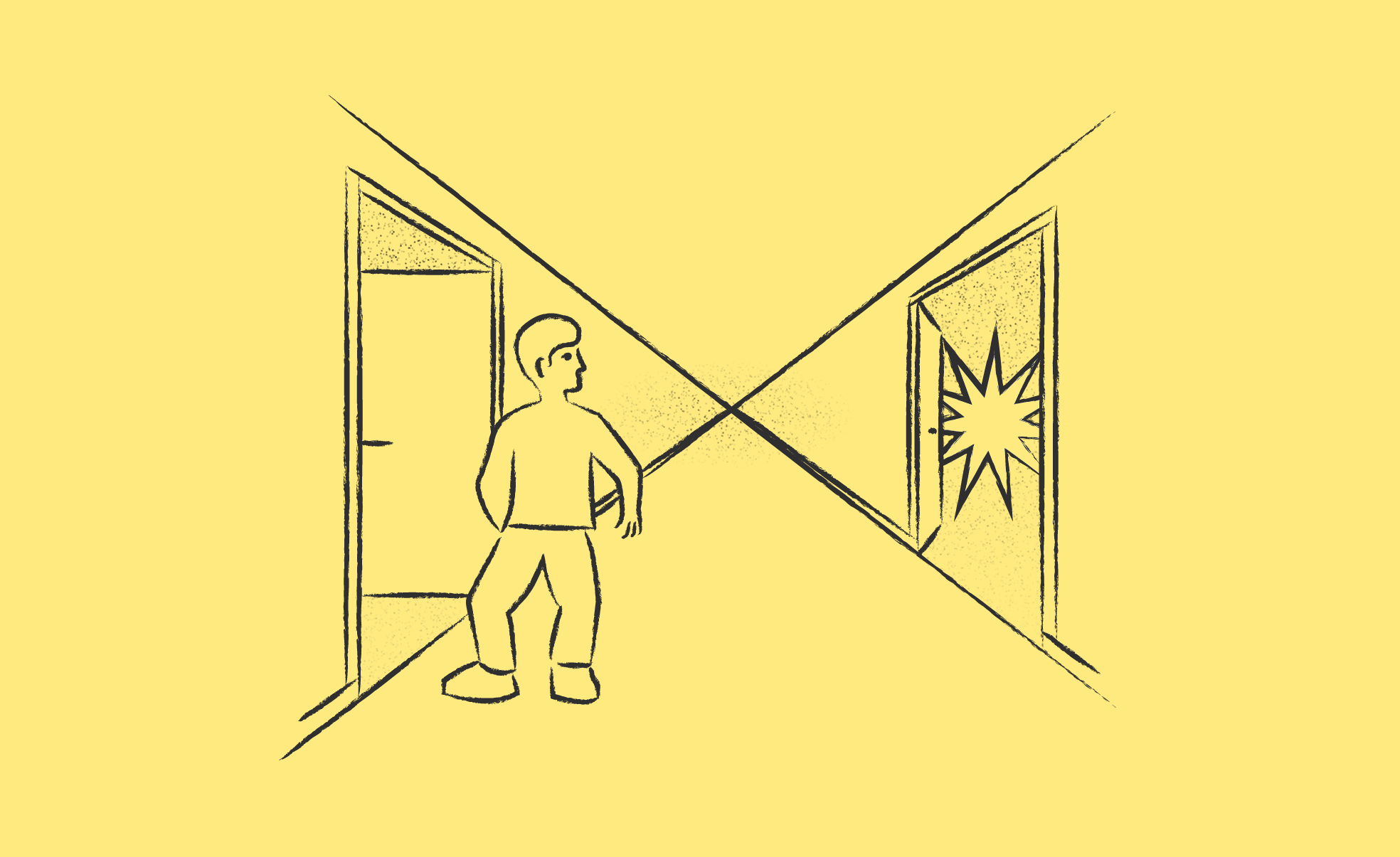
From the outside, hiring can look like a clean evaluation process. A role opens, candidates are interviewed, feedback is collected, and a decision gets made.
Inside a company, it rarely feels that straightforward. The information is incomplete. The role may still be evolving. Different people are looking for different things, even when they think they're aligned. The decision usually has to be made under pressure too, because an empty seat has its own cost.
That's why hiring can feel oddly unclear even when the process looks thorough. The issue isn't usually a lack of effort. It's the way judgement gets formed, and the small ways it breaks down before anyone notices.
The soft yes problem
When people imagine a difficult hiring decision, they often picture a split room. Someone loves the candidate, someone has a concern, and there's a dramatic debate about whether the risk is worth taking.
That happens, but it's not the most dangerous version.
A split room can actually be useful. If someone has seen something specific and is willing to make the case for it, a strong yes alongside a concern creates a real discussion. Someone is fighting for the candidate, and that fight can force clarity.
The quieter problem is the candidate who gets a soft yes from everyone. No one is against them, but no one is especially excited either. They pass every stage, the feedback is positive enough, and they seem capable. They'd probably do the job.
But nobody is saying: I really want this person on the team.
The comments sound fine on the surface. "They were solid." "Good experience." "Seemed like they could handle it." "No major concerns." All positive, but all flat. Four or five soft yeses might seem like consensus, but actually it’s lack of conviction. No one is pointing to something specific they'll bring. No one is describing how the team will get better because of this person.
That same pattern shows up in a slightly different form when the same small concern appears across several interviews. One interviewer wonders about ownership. Another is unsure about pace. A third thinks the technical depth is solid, but not obviously exceptional. Each point feels manageable on its own, but when the same doubts keep surfacing, they're telling you something.
A candidate can move through an entire process with positive feedback at every stage and still not be the right hire. Not because anyone saw a red flag or because they failed, but because nobody saw a spike.

The decision starts before the interviews
Most teams assume the hard part of hiring is the debrief. Actually, a lot of processes break down much earlier, before the role even goes live.
If the hiring team hasn't aligned properly at the start, every interview that follows becomes harder to interpret. They might agree on the job title and sign off on the job description, but that's not the same as alignment.
Without a shared definition of what ‘exceptional’ looks like, every piece of feedback becomes slightly personal. One person’s “strong communicator” is another person’s “too polished”. One person’s “pragmatic” is another person’s “not technical enough”. One person’s “high potential” is another person’s “not credible”.
None of those interpretations are necessarily wrong, but if they aren’t anchored to the same criteria, they won’t naturally turn into a decision.
Real alignment means knowing what the role needs to achieve and agreeing which competencies matter before anyone meets a candidate. The hiring manager might be looking for someone who can move fast with limited direction. The engineering lead might be looking for technical depth. A founder might be looking for pace, ownership and adaptability. All of those things might be important, but if nobody has agreed which matters most, the feedback will be too messy to reconcile.
By the time the team reaches the debrief, they're not debating the candidate, but the role itself. That's where the soft yes becomes almost inevitable, because when nobody is sure what exceptional looks like, nobody can confidently say they've seen it.
Why senior voices can distort the room
Even when alignment is in place, something else can quietly undermine the process. The weight given to the most senior voice in the room.
This isn't about bad intent; it's just how rooms work. If a VP of Engineering or senior hiring manager speaks first in a debrief, their view is going to shape how everyone else interprets the candidate. A more junior interviewer may have noticed something important but won’t push back once the most senior person has made their position clear.
It becomes more pronounced when there’s no structure to anchor the conversation. Without it, even experienced interviewers end up working from slightly different playbooks. Questions might drift and feedback becomes harder to compare.
That's where bias can creep in. Not always as something obvious or intentional, but through small differences in how people interpret, score and defend what they saw. Someone senior speaks early, sounds confident, and you can feel the room shift slightly. Other people adjust their framing, even subconsciously.
A candidate who feels familiar gets the benefit of the doubt. A candidate who communicates differently gets read as unclear. A quieter interviewer with the more precise observation might get talked over.

Structure is what makes judgement reliable
Structured hiring can sound heavy in a startup context. Nobody wants unnecessary forms and over-engineered scorecards slowing a process down. But structure done well isn't bureaucracy. It's what makes the judgement the whole process is supposed to produce actually reliable.
It starts with agreeing criteria before interviews begin. It means interviewers submitting feedback privately before the debrief, so the first opinion shared doesn't become everyone's opinion. It means effective scorecards – not the hour-long kind, but a focused set of criteria everyone has agreed on before anyone walks into an interview – that force questions like: what does ownership actually mean for this role? What would strong evidence look like? What are we asking to test it?
That kind of structure doesn't slow hiring down. What it does is stop teams from having the same unresolvable argument at the end of every process. It gives the soft yes somewhere to land and surfaces repeated concerns before they get rationalised away. And it creates space for the less senior, less loud interviewer to get their observation heard.
The strongest hiring processes aren't the ones with the most stages. They're the ones where someone has done the hard work upfront of defining what exceptional actually looks like, and built a process precise enough to find it. That's harder to do from the outside than most teams realise, and harder to do alone than most founders expect.
What good actually looks like
From the outside, a hiring decision looks like an output. Someone got the job, someone didn’t. Therefore, the process worked.
From the inside, it never feels that clean. It's a series of small judgement calls, each one shaped by incomplete information, real pressure and rooms with their own dynamics.
The ones that hire well aren't the ones with the most interviews or the most feedback. They're the ones where, at the end of the process, someone can say clearly: this is why we should hire them. And everyone in the room already knows what that means.
Most of the time, those teams aren't figuring it out alone. They have someone who has seen these patterns before, knows where the process tends to break and can help them build something that actually holds.